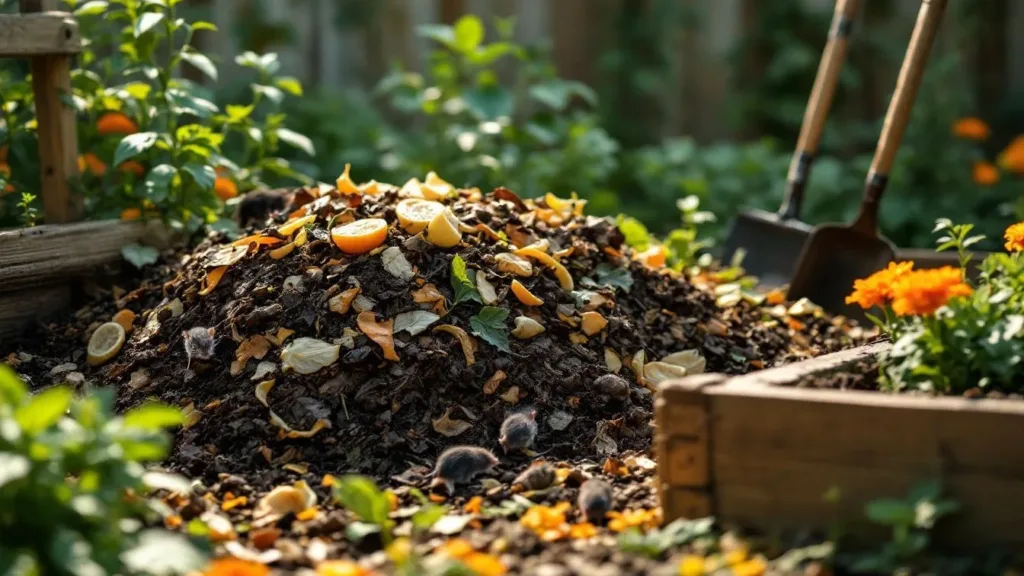
The rising popularity of composting among gardeners is a testament to the growing awareness of sustainable practices. However, many are unaware that certain common mistakes can inadvertently turn their compost piles into havens for unwanted pests, particularly rats. These opportunistic feeders are drawn to compost due to the rich food sources and ideal nesting conditions it can provide if not managed correctly. As winter approaches, an improperly maintained compost bin can become even more attractive to rodents seeking shelter and sustenance.
Experts in gardening have identified key practices that can help maintain a pest-free composting experience. Understanding the dynamics of compost and how to mitigate the risks associated with rodent attraction is essential for any gardener looking to compost successfully. With proper management, raising awareness about the dos and don’ts can ensure that compost piles remain beneficial and free from rodent infestation, allowing gardeners to fully appreciate the advantages of organic waste recycling while safeguarding their gardens.
Understanding the Appeal of Compost for Rats
Compost piles can indeed attract rats when improperly maintained. The organic material, especially if rich in food scraps, offers an abundant food source. Specific factors influence the likelihood of attracting these pests:
- Food Sources: Items like meat, oily foods, and even leftovers can entice rats. They are particularly drawn to materials high in protein or carbohydrates.
- Moisture: An overly wet compost heap creates a breeding ground for odors that can attract rodents.
- Accessibility: An open or poorly secured compost bin allows easy access for rats.
- Location: Piles near rat nests or burrows may naturally attract them due to proximity.
Avoiding Common Composting Pitfalls
Gardeners can take several steps to keep their compost bins safe from rat intrusion. Here are some vital practices:
- Balance Greens and Browns: Aim for a balanced mix of nitrogen-rich greens and carbon-heavy browns. Layering browns on top can successfully mask odors that would otherwise attract pests.
- Monitor Moisture Levels: The ideal compost should feel like a damp sponge—moist but not dripping wet. This prevents odours and slows down decomposition rates.
- Secure Coverage: Use a tarp or mesh to cover the compost heap, allowing airflow while preventing access to larger pests like rats.
- Regularly Aerate: Turning the compost heap ensures it remains aerated, making it less appealing for rats as frequent disturbance can discourage nesting.
- Keep Distance from Home: Positioning the compost bin at a distance from the house can reduce the likelihood of rats venturing towards residences for food.
Monitoring for Pests and Solutions
Vigilance is key when it comes to managing a compost bin. Regularly inspecting the area for signs of rodent activity—such as droppings or signs of gnawing—can provide early indicators of an infestation. If rodents are detected, immediate action is essential:
- Remove Attractants: Cease adding new scraps and secure the compost to eliminate food sources.
- Set Traps: If necessary, use traps while ensuring safety for other wildlife.
- Consult Professionals: In cases of significant infestations, professional pest control may be required to manage the situation humanely.
Exploring Composting Alternatives
For those particularly concerned about attracting rats, alternative composting methods can be beneficial. Techniques such as hot composting involve maintaining higher temperatures, deterring pests through rapid decomposition. Moreover, worm composting or vermiculture is another effective method, utilizing worms to process organic waste without attracting rodents. Additionally, bokashi composting ferments food scraps, further reducing the likelihood of attracting pests.