Ever found yourself drawn to a specific shade while shopping, or perhaps you’ve chosen similar hues for your home décor? Interestingly, these preferences reveal much about who you truly are. Psychology, especially color psychology, dives deep into these associations, suggesting that your favorite color can unveil vital insights into your personality traits. Each color carries its unique meanings and symbolism, shaping how we express ourselves and perceive the world around us. As the seasons change, so do our color preferences; these selections often reflect our emotional state, experiences, and even our aspirations. Understanding these connections can not only enhance self-awareness but also refine how we communicate and relate to others, bringing to light the rich tapestry of human interaction.
The Power of Color and Its Psychological Effects
Every color resonates with distinct psychological effects, often influencing our emotions and decisions without us realising it. For instance, the calming presence of blue might evoke feelings of serenity, whereas red could ignite passion and urgency. Companies spend considerable resources studying these psychological effects to strategically forge branding that resonates with consumers on a subconscious level. Think of fast-food chains opting for bright reds and yellows to stimulate hunger, or spas using soft blues and greens to promote relaxation. These choices underline the profound impact that colors have on our daily lives, from product choices to emotional responses.
Decoding Your Favorite Color
Delving into your choice of color can reveal aspects of your character and emotional landscape. Here’s a closer look at what some popular shades suggest about individuals:
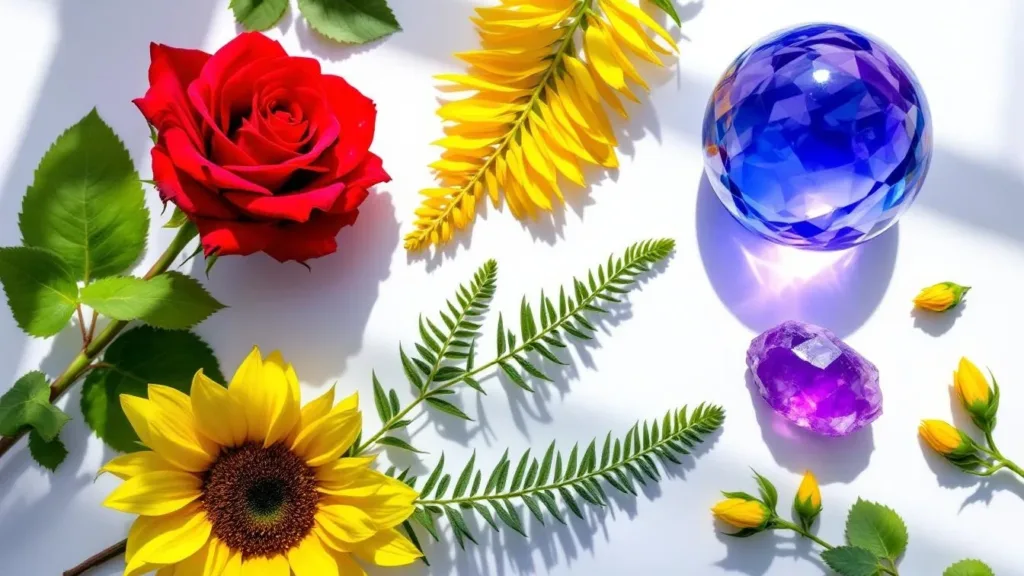
- Red: Represents energy, passion, and confidence. Red lovers are often seen as bold and adventurous, but may also grapple with impulsiveness.
- Blue: Associated with calmness and trust, blue enthusiasts are often reliable and introspective. They may sometimes overthink their decisions.
- Green: Symbolic of nature and balance, those who favour green typically seek harmony and may need validation from others.
- Yellow: This color radiates optimism and creativity. If yellow is your go-to, you likely have a cheerful disposition but might struggle with focus.
- Black and White: These shades convey simplicity and sophistication. Those drawn to black often appreciate elegance, while white lovers enjoy purity and new beginnings.
The Cultural Context of Color Preferences
While universal associations exist, colors can hold unique meanings in different cultural contexts. For instance, while red signifies love and passion in Western cultures, it may represent good fortune in Chinese contexts. Such cultural individual differences in color perception underline how our backgrounds shape our preferences. This relationship between culture and color can affect everything from celebration attire to the design of living spaces. Understanding these nuances enriches the exploration of color psychology, revealing how intertwined our identity is with the colors we love and choose to surround ourselves with.
Life Changes and Shifting Color Preferences
Your favorite color may evolve along with your life experiences, representing your journey. During different life stages, individuals may find solace in various hues, aligning with their emotional needs or aspirations. For example, someone might gravitate towards vibrant colors during a phase of excitement and exploration, while drifting towards softer tones during more reflective or stressful times.
Utilising Color in Everyday Life
Being attuned to the emotional impact of colors can enhance various aspects of life, from personal spaces to professional environments. Choosing specific colors for room decor can influence mood and productivity. For instance, painting a study in blues may foster a focused atmosphere, while introducing yellows can inspire creativity. Similarly, the clothing one chooses can emit broader signals about their personality and current emotional state. Recognizing these aspects encourages intentional engagement with colors, enhancing personal expression and interpersonal communication.