As winter envelops the UK, robins—that emblematic bird of British gardens—bring a splash of colour to the grey landscape. But what keeps these cheerful songbirds coming back to our yards despite the hostile weather? The surprising answer lies in the humble hawthorn berry—a winter fruit that is often overlooked but plays a crucial role in avian survival during the colder months. In recent years, a wave of backyard conservation efforts has led more gardeners to embrace these berries, creating a curious interplay between human intervention and natural bird behaviour. While many believe that putting out food for robins is a noble act, bird experts caution that feeding practices, particularly involving sweet fruits like raisins, may disrupt traditional migratory patterns. The rising trend of supplemental feeding raises important questions about the long-term impacts on the ecosystem and the very health of our cherished robins.
The Role of Hawthorn Berries in Attracting Robins
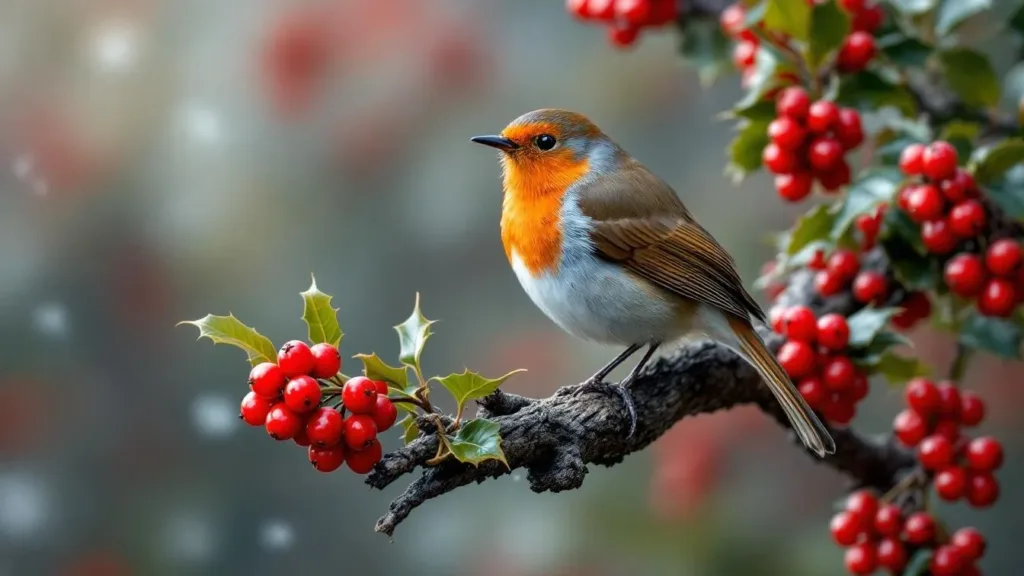
Hawthorn berries, with their vibrant red hue, are not just an aesthetic addition to our gardens; they are a vital food source for robins when other options are scarce. These berries remain intact on branches well into winter, when other fruit has long since disappeared. For robins, the dense clusters of these berries represent not just sustenance, but a reliable treasure trove. The phenomenon has been observed repeatedly by avid birdwatchers, who note that gardens adorned with hawthorn are likely to see more frequent visits from robins compared to those without.
Changing Bird Feeding Trends
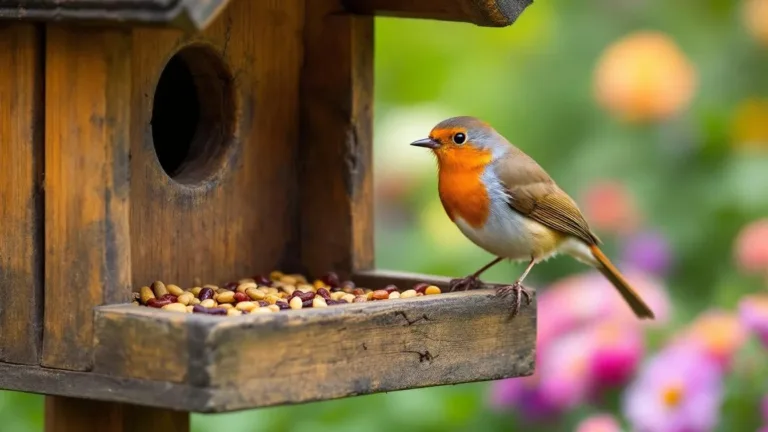
The burgeoning interest in bird feeding, particularly with items like raisins, represents both good intentions and potential pitfalls. Experienced birders have shared that while these dried fruits provide an easy energy source, they lack essential nutrients, making them less than ideal as a primary food source. This is particularly concerning as robins, traditionally partial migrants, are now remaining in the UK longer than usual due to these readily available feeders. Ornithologists, like Dr. Henry Whitefield, warn that the abundance of artificial food is leading to confusion among these birds, discouraging their natural migration habits and thus endangering long-term survival strategies.
Understanding the Consequences of Human Intervention
The question of whether feeding robins is beneficial or harmful extends beyond mere convenience. Field studies have shown that suburban and urban landscapes are witnessing higher densities of robins due to increased feeding. While this might be a joy for birdwatchers, it raises substantial concerns about the birds’ reliance on a diet that may not offer the nutritional diversity necessary for optimal health. Just as humans thrive on varied diets, robins, too, require a balanced avian diet to maintain their energy levels and overall well-being during the harsh winter months.
Best Practices for Responsible Bird Feeding
For those keen on attracting more robins to their gardens, a thoughtful approach to bird feeding can make all the difference. Instead of solely relying on calorie-dense options, it is advisable to create a diverse feeding regimen that includes seeds, suet cakes, and mealworms. These alternatives foster healthier foraging behaviours and ensure that birds receive a balanced diet. Additionally, positioning feeders near natural food sources like hawthorn can further enhance the appeal, providing robins with both an abundance of food and shelter from predators.
Support for a Healthier Ecosystem
Embracing hawthorn not only transforms residential gardens into bird-friendly sanctuaries but also contributes positively to local ecosystems. By preserving some leaf litter and avoiding overly tidy practices, gardeners can create organic environments that support not just robins, but a variety of birds and insects. In an era of heightened climate awareness, these small changes can lead to significant ecological impacts, enabling wildlife to thrive even amidst urbanisation. Supporting the natural habits of robins and other species creates a harmonious cycle that benefits the environment, enriching our winters with both beauty and biodiversity.