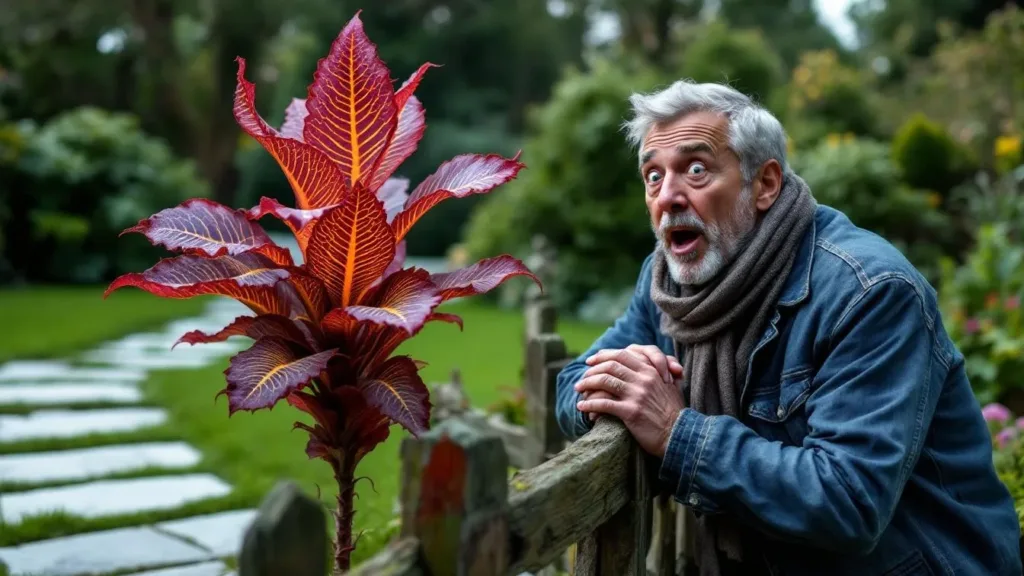
Garden enthusiasts often find joy in cultivating unique flora, but reactions from neighbours can become a source of unexpected drama. A recent incident demonstrates how an unusual plant ignited both curiosity and conflict within a community. This particular homeowner decided to introduce a novel species, aiming to uplift the aesthetics of their garden while inviting the intrigue of passersby. What unfolded, however, was a surprising response from a nearby neighbour.
Initially, the homeowner felt enthused, embracing the vibrant growth as a conversation starter. Yet, the neighbouring property soon bore witness to mixed feelings as critiques over the plant’s presence began to emerge. Some neighbours viewed it with admiration, captivated by the botany and novelty of the species, while others expressed concern, raising issues about maintenance and visual appeal. This duality sparked a lively discussion about aesthetics, gardening ethics, and the fine line between expressing creativity and maintaining community standards.
Unexpected Reactions from the Neighbourhood
As the plant flourished, its growth drew attention, beginning with positive remarks from fellow gardening enthusiasts. However, this admiration soon morphed into scrutiny when one neighbour voiced concerns about its ‘wild’ appearance. The reaction was surprising and highlighted an important aspect of community dynamics—what one person regards as a curiosity, another may perceive as an eyesore.
In response to these concerns, the homeowner sought to foster dialogue, explaining the plant’s features and the effort invested in its care. Sharing methods of maintenance and the intent behind choosing such an unusual addition proved effective in easing tensions. Open conversations often lead to a greater understanding, illustrating how community discussions about gardening can be both enlightening and contentious.
Finding Common Ground
What emerged from this experience was a growing acknowledgment that gardens are personal expressions and reflections of identity. Ultimately, this situation underscored the necessity for neighbours to appreciate diverse gardening choices, sparking conversations about inclusivity and collaboration within communities. The initial surprise at the neighbour’s reaction propelled the homeowner to create pathways for dialogue and understanding.
In thriving communities, these exchanges pave the way for collaboration, leading to shared gardening projects or local plant swaps, reinforcing relationships among neighbours. Gardeners can learn that by embracing uniqueness, they can cultivate not just plants, but also community spirit.
Embracing Diversity in Gardening
As the seasons change, the variety of plants in a garden becomes a defining feature of its character. The contrast between traditional and unusual flora highlights differing aesthetics and encourages exploration in garden design. For gardeners aiming to introduce an unusual plant, understanding the community’s perspective can foster a richer collaboration.
Whether it is an eccentric species or an unorthodox gardening technique, there is much to learn from each other. Engaging with neighbours about these choices fosters a sense of belonging, transforming potential conflicts into opportunities for shared growth and understanding. The experience of introducing an unusual plant epitomises the balance between personal expression and community values, building a vibrant tapestry of diversity in the local gardening scene.