
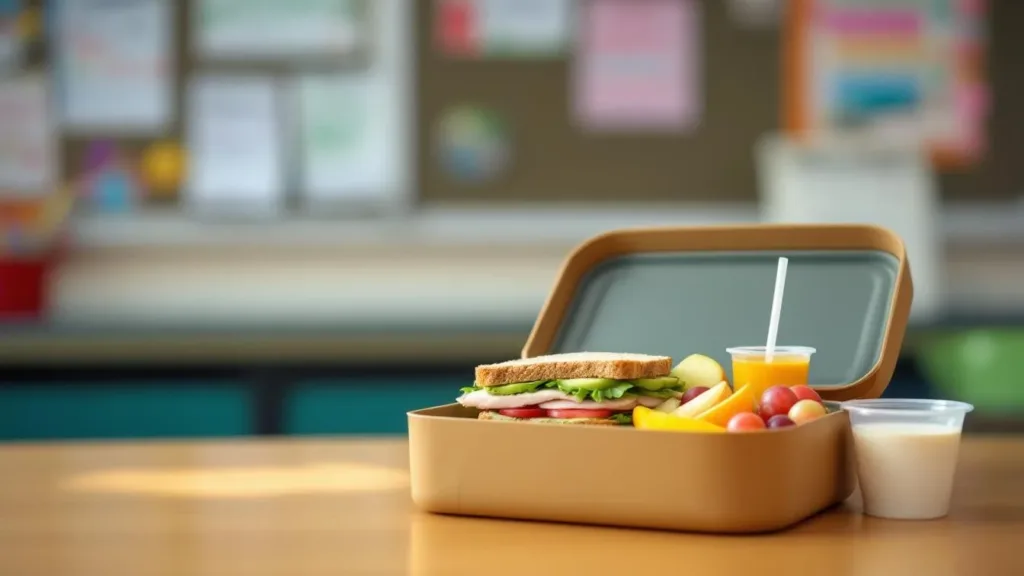
The unexpected challenge of school lunches can leave parents reeling, especially when a carefully packed lunch is met with resistance from school authorities. Many parents may assume that what they put together for their child, meant to nourish them and fuel their day, will be well-received. Yet, the reality can be starkly different, exposing underlying school food restrictions that are sometimes surprising.
Imagine the confusion and frustration when a nutritious lunch filled with love and care is deemed unacceptable due to school regulations unknown to the parents. Whether it’s a ban on certain allergens like peanuts or restrictions on specific items due to nutritional guidelines, these school lunch policies can leave parents in the lurch. This scenario highlights the importance of understanding each school’s unique lunch policy, which can vary widely and often catch parents off guard.
In 2026, these food rules have become crucial as institutions prioritise student wellness and health. A shocking number of parents find themselves unaware of the foods their children can and cannot bring, leading to wasted lunches and frustrated children. Awareness and communication can be key in navigating these unexpected rules, ensuring that parents can send their children to school with a packed lunch that meets the school lunch guidelines.
Understanding School Food Restrictions
The first step in successfully navigating packed lunches is comprehending the food rules in place at each school. Many institutions implement restrictions based on a variety of factors, including allergens, nutritional content, and even cultural considerations. A growing awareness of food-related allergies, particularly in children, has prompted schools to adopt stricter policies for safe consumption.
Commonly banned items include anything containing peanuts, tree nuts, dairy, and even certain snacks recognized as unhealthy. Consequently, it’s imperative for parents to familiarize themselves with their child’s school policies, ensuring that packed lunches not only provide nourishment but also adhere to safety standards.
The Importance of Involvement
Engaging children in the lunch-packing process can transform mealtime. By including children in selecting their favorite foods that comply with school rules, parents can foster a sense of ownership over their meals. This inclusion often translates to better eating habits, as children are more likely to consume what they helped choose.
Moreover, involving children in discussions about school food restrictions empowers them to understand the reasons behind these policies. It encourages critical thinking about nutrition and food safety, preparing them for informed choices in the future.
Adjusting Lunch Choices
When faced with school regulations that challenge traditional lunch ideas, creativity becomes essential. Packed lunches can be revamped with a focus on healthy alternatives that adhere to school guidelines. Instead of packing peanut butter sandwiches, consider options like hummus with veggie sticks or turkey wraps that are both appealing and compliant. Incorporating a variety of colours and textures can turn any lunch into a delightful experience.
It’s equally important to keep portion sizes manageable. Children may find large servings overwhelming, reducing the likelihood of consumption. Smaller, bite-sized choices increase the chances of a well-received meal, making lunchtime more enjoyable.
Establishing a Flexible Mindset
As schools embrace more stringent policies, flexibility is crucial for parents. Rather than viewing restrictions as barriers, they should be seen as opportunities for exploration. Encourage children to try new foods that fall within the acceptable range, broadening their palate while supporting their nutritional needs.
Understanding that adjustments may be necessary not only keeps lunchtime exciting but ensures compliance with school lunch policies. Ultimately, this mindset fosters resilience in children, teaching them to adapt to changing situations and preferences.