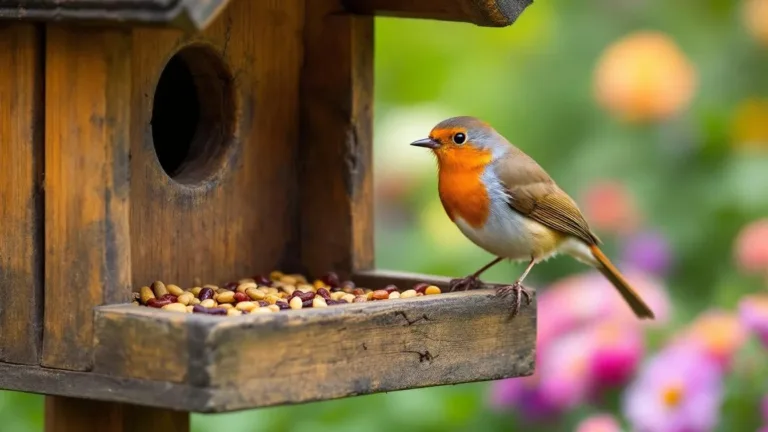
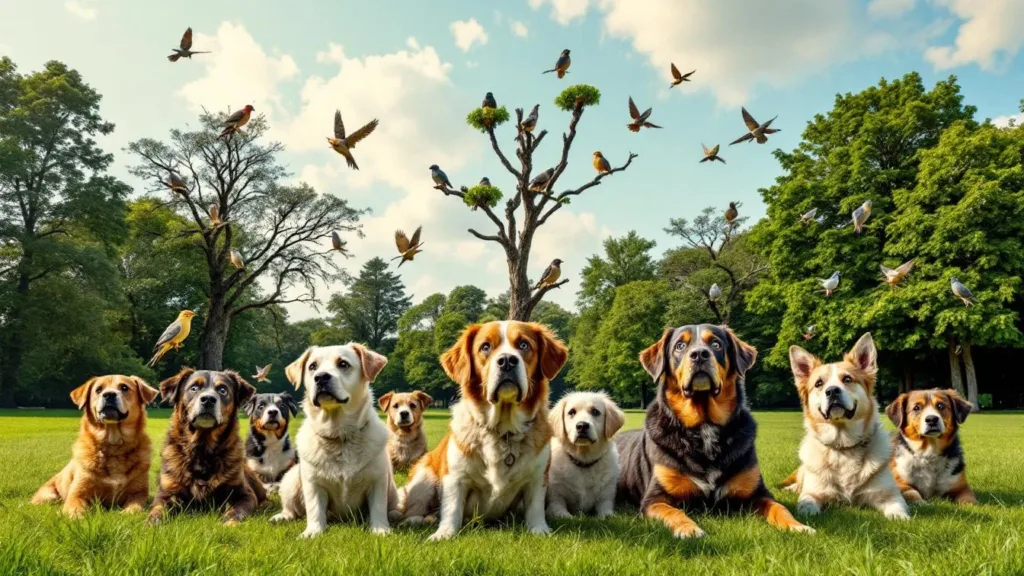
As the moon obscures the sun during a total eclipse, a curious phenomenon unfolds in the animal kingdom. From the familiar chirp of birds to the seeming oblivion of dogs, animals respond in ways that highlight their intrinsic animal instinct and sensitivity to sudden environmental changes. Research shows that reactions can range from anxiety to unexpected behavior, offering insights into what goes on in the minds of wildlife when daylight vanishes unexpectedly.
When the 2017 total solar eclipse swept across the United States, observers documented a variety of responses from different species. For instance, rainbow lorikeets at a zoo quickly transitioned through their evening and morning routines within minutes, seemingly mistaking the twilight for nightfall. Meanwhile, other animals exhibited signs of distress; for example, giraffes were spotted galloping wildly, highlighting the broader spectrum of animal reactions to this nature phenomenon.
How Different Species Respond to the Eclipse Effect
Observations during these eclipses reveal that not all creatures respond uniformly. Some bird behavior suggests that certain species perceive the sudden darkness as a signal to retreat to their nests while others continue their activities as if nothing has changed. The inconsistency in reactions raises questions about what these behaviors reveal about each species’ adaptability and instinctual responses to sudden shifts in light.
Furthermore, a study involving various species in zoos aimed to categorize these responses. While some animals, like grizzly bears, displayed indifference, others engaged in mating behaviors, as seen with Galápagos tortoises during the eclipse peak. This unpredictability illustrates how species might react differently under similar conditions, a reminder of the complexity of interspecies behavior in response to shared environmental cues.
The Impact of Seasonal Timing on Animal Behavior
The timing of an eclipse can significantly influence which animal behaviors are observed. The upcoming eclipse on April 8, 2024, coincides with the migration season for many birds, making it a pivotal moment for their reproductive habits. Will migratory birds respond to the sudden plunge into darkness as if it’s the start of a new day, or will they revert to their usual routines? Such questions open avenues for further research and citizen involvement.
As scientists prepare to gather data again, the collaboration with the public provides opportunities to enrich understanding of these intriguing wildlife responses. Engaging community members to contribute their observations through platforms like iNaturalist enables a broader collection of data, enhancing our grasp of how animals navigate these rare celestial events.
The Human Element: Observing with Awe
Human observers are equally captivated by these celestial events, often taken aback by their emotional connection to the spectacle. The shared experience of watching an eclipse can inspire a profound sense of wonder and reflection on our place within nature. This engagement serves not only as entertainment but also as a reminder of the delicate complexities within ecosystems and the interconnectedness of all living beings.
As the path of totality traverses regions rich in wildlife, the observations during this eclipse could yield surprising insights. Engaging in this natural spectacle allows a deeper appreciation for the intricate behaviors of animals and the vibrant tapestry of life that unfolds beneath the shadow of the moon.