
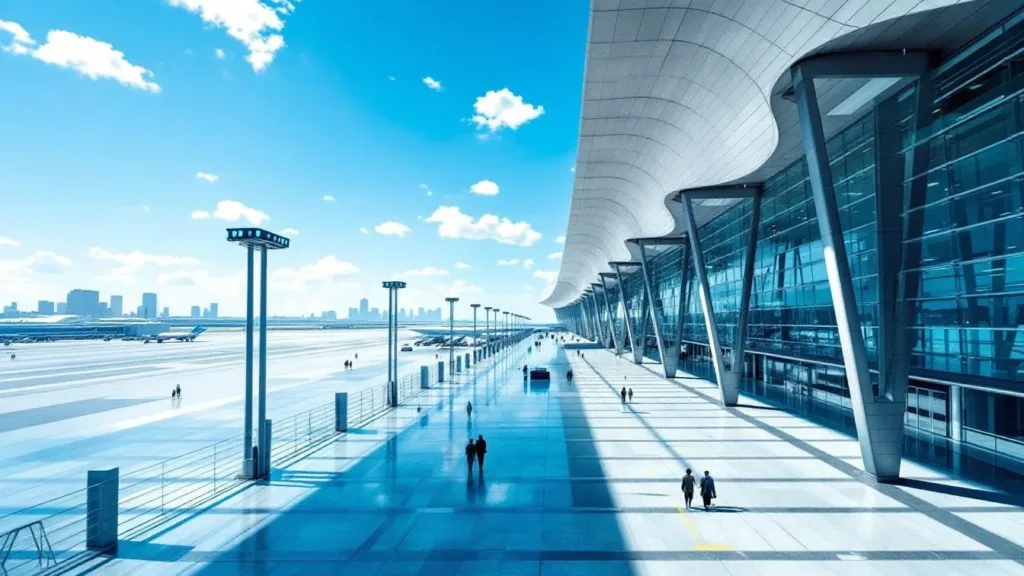
When pondering the world’s largest buildings, skyscrapers often come to mind, with their soaring heights and iconic skylines. Yet, a type of structure that impressively rivals these giants exists outside this narrow definition: the industrial complex. Defined not just by height but by their extensive footprint, these massive structures, including warehouses, manufacturing plants, and logistics hubs, play a vital role in the global economy.
The rise of industrial complexes mirrors the evolution of modern architecture, bringing together innovative design and functionality. They aren’t just vast empty spaces; instead, they embody a fusion of technological mastery and architectural ingenuity, designed to facilitate production, storage, and distribution on a grand scale.
Characteristics of Massive Industrial Structures
Unlike traditional skyscrapers that aim for verticality, industrial buildings often prioritize expansive, horizontal designs. Purpose-built to serve unique functions, their characteristics can include:
- Large floor areas, allowing for efficient workflows and operations.
- High ceilings>, which accommodate the movement of goods and machinery.
- Specialized layouts tailored to particular industries, whether it’s cold storage for food or extensive assembly lines for automotive manufacturing.
The Role of Technology in Development
As technology advances, so does the design and functionality of industrial buildings. Modern construction techniques have enabled the creation of sustainable and smart waste management systems, renewable energy sources, and automation within these sites. This not only enhances efficiency but also reduces the environmental impact, proving that large buildings can indeed be eco-friendly.
The integration of automation and smart logistics demands meticulous planning and innovative space utilization. Advanced software packages now assist in optimizing workflows, thereby driving productivity within these expansive structures.
Examples of Noteworthy Industrial Complexes
The world hosts several remarkable industrial complexes that highlight both scale and innovation:
- Amazon Fulfillment Centres: Sprawling across thousands of square meters, these warehouses utilize advanced technology and robotics to streamline order processing.
- The Boeing Factory: Situated in Everett, Washington, it remains one of the largest buildings by volume, where vast planes are assembled under a single roof.
- Volkswagen’s Production Plant: In Germany, this facility combines sustainability with cutting-edge automotive design, showcasing the potential of modern industrial architecture.
The Future of Industrial Architecture
As urbanization and global trade continue to grow, the design and construction of industrial buildings will evolve. Future structures will likely emphasize space efficiency and adaptability, accommodating changing market demands. Urban areas may see the emergence of vertical warehouses, integrating residential and commercial space.
Moreover, addressing environmental concerns will shape the ongoing evolution of these buildings. More companies will strive to implement sustainable practices, ensuring that even the largest industrial venues play a part in combating climate change.
In this landscape of ever-expanding structures, industrial buildings stand as a testament to human ingenuity, proving that the quest for innovation extends far beyond the heights of skyscrapers. They embody the future of work, efficiency, and sustainability, ensuring that industry remains a cornerstone of our modern economy.