
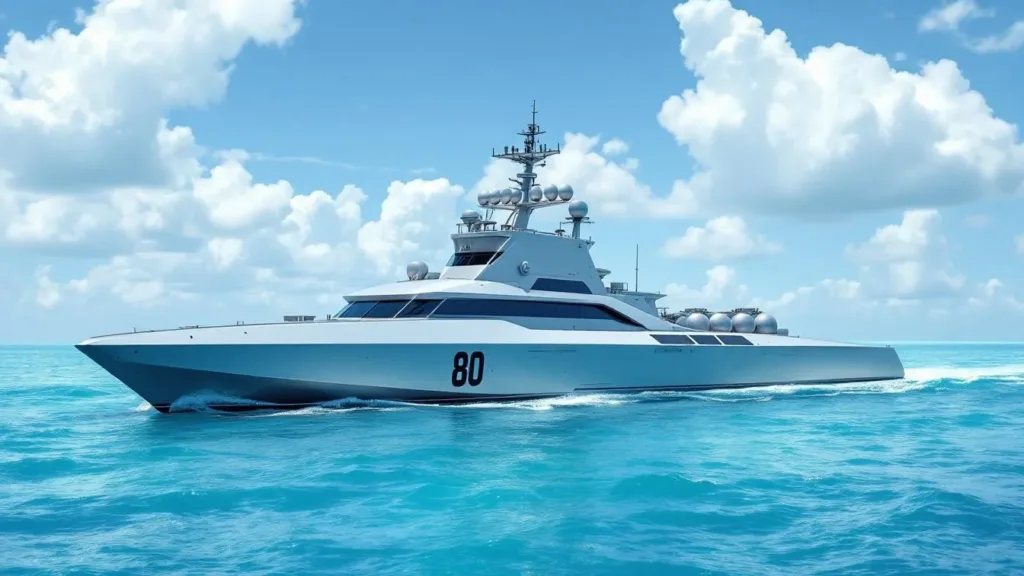
As the global shipping industry grapples with unprecedented demands, a glaring scarcity of specialised vessels has come to the fore. While our associative thinking may prioritize large oil tankers or bulk cargo carriers, the spotlight inevitably shifts to a diverse fleet of non-tanker ships that plays a crucial role in modern marine transport. These vessels, ranging from offshore support ships to research and survey vessels, are integral to the intricate web of nautical logistics that sustains our economy. Their short supply poses a significant challenge, particularly as the demand for versatile, efficient shipping solutions continues to escalate. Over the last few years, the rise of e-commerce and global trade has intensified competition for these distinct asset types.
As businesses strive to meet the ever-growing demands of consumers, they encounter logistical hurdles intensified by a shortage of vessels tailored for specific cargo and environments. This maritime shortage not only threatens supply chains but also underscores the shifting landscape of the shipping industry, where traditional cargo methods are now supplemented by innovative shipping alternatives. The unique capabilities of these specialised ships enable the transport of cargo that standard container ships cannot handle—be it fragile perishable goods or heavy marine equipment.
Understanding the Diversity of Specialised Vessels
Specialised vessels encompass a wide range of types, each tailored for specific operational needs. For example, offshore support vessels are designed to deliver supplies and personnel to oil rigs, while research vessels are equipped for scientific exploration and data collection. Understanding these vessel types illuminates the complex nature of shipping today.
The unique design and capabilities of these ships are paramount when considering the demands of different maritime activities. They must not only adhere to strict safety and environmental regulations but also be efficient in navigation and cargo handling, necessitating specialized engineering and technology. This requirement amplifies the implications of their short supply, highlighting the urgent need for investment in the construction and operation of such vessels.
Challenges in the Current Shipping Landscape
The current landscape reveals the extent of the shipping demand for specialised vessels driven by increasing global trade. As economies emerge from the pandemic, industries are scrambling to adapt to new market realities, pushing the limits of existing logistics solutions. Companies previously reliant on conventional shipping methods are now seeking tailored alternatives capable of meeting specific operational needs.
This shifting paradigm has compounded the difficulties faced by shipping companies. With rising fuel costs and environmental regulations, the operational costs associated with maintaining a fleet of diverse vessel types have surged. As a result, many operators are forced to reevaluate their strategies and find innovative solutions to optimise their operations while also adhering to compliance guidelines.
Innovative Solutions for a Strained Market
Amid this maritime shortage, the industry must rally to devise solutions that address the supply gap. Advancements in shipbuilding technology may indeed facilitate the rapid production of new specialised vessels, thereby significantly enhancing their availability in a constrained market. Further, collaborations between shipping lines, ports, and logistics companies are essential to identify niche markets and pool resources for efficient vessel utilisation.
Reconsidering operational strategies, such as adopting a hybrid model that combines traditional cargo ships with cargo alternatives, offers a significant opportunity to alleviate pressure on the vessel supply chain. Investments in sustainable maritime practices can also improve the operational efficiency of existing fleets, ultimately reducing overall costs while adhering to environmental mandates.
Conclusion: Navigating the Future of Specialised Marine Transport
In summary, the increasing demand for specialised vessels underlines a pivotal moment in the maritime sector. Acknowledging the value they bring to logistics and trade can empower stakeholders to make informed decisions regarding future investments and resource allocation. Tackling the challenges posed by the current landscape—where efficient marine transport is an essential component of economic growth—will require innovative thinking and a commitment to collaboration across the shipping industry.