
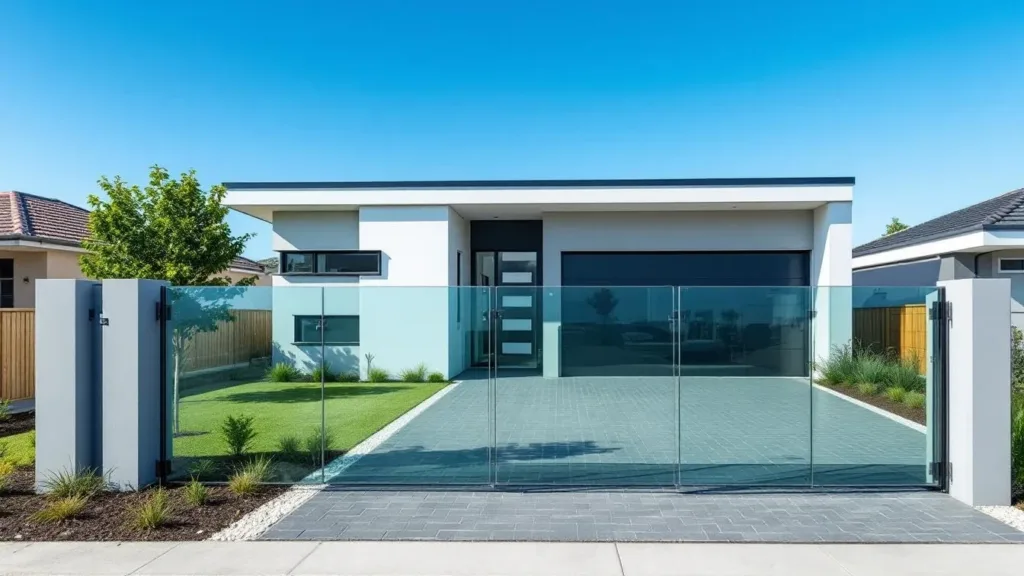
As the housing market evolves, prefabricated homes are emerging as a solution for many first-time buyers and those seeking affordable alternatives to traditional residences. With their cost-effective design and faster construction time, these homes are appealing to a wide array of homebuyers. The shift towards modular housing reflects a growing awareness of sustainability and innovative building materials that reduce environmental impact. Despite these advantages, a significant hurdle remains—many potential buyers encounter challenges with financing and zoning regulations that limit access to prefabricated options.
Recent data highlights a surge in interest where prefab construction rose by 40% in 2024, indicating a shift in perceptions and a greater recognition of these homes’ benefits. In California, for instance, many residents opting for modular builds are finding them to be both quicker to deliver and significantly cheaper than traditional rebuilding methods, especially in wildfire recovery situations. However, the lingering perception of prefabricated units as inferior, akin to mobile homes, continues to deter some buyers. This ongoing stigma complicates the situation, particularly as financing challenges loom due to lenders’ unfamiliarity with modular housing.
The Benefits of Prefabricated Homes
One of the primary drivers of the rising popularity of prefabricated homes is their remarkable cost efficiency. With reduced labor expenses and streamlined construction processes, these homes can often be built at a fraction of the cost of traditional properties. This affordability makes them especially attractive to first-time homebuyers and those looking to downsize without compromising on quality.
Moreover, the use of advanced technologies and sustainable materials sets prefab homes apart. They are designed to be energy-efficient, addressing the growing concern about environmental impacts linked to traditional construction methods. This aligns with a broader shift towards greener living solutions, allowing buyers to reduce their carbon footprint while enjoying modern amenities.
Understanding the Financing Challenges
Despite their burgeoning popularity, financing challenges for modular homes remain a significant barrier. Many banks still view prefab homes as non-standard, leading to a higher rejection rate for loan applications compared to site-built homes. According to a Pew Charitable Trusts report, a staggering 54% of manufactured home loan applications were rejected in 2021, in stark contrast to just 7% for traditional buildings.
The discrepancy in appraisal values often complicates the financing process, making it essential for potential buyers to seek lenders experienced in modular housing. As more prefabricated homes enter the market, there is hope that appraisers will gain confidence and become more familiar with these properties, easing future financing hurdles.
Navigating Zoning Regulations
In addition to financing challenges, cumbersome zoning regulations pose another obstacle for buyers interested in prefabricated homes. Local codes often vary widely, reflecting outdated perceptions that primarily cater to traditional constructions. This variance can create delays and increase costs, as buyers navigate complex permitting processes.
However, positive changes are underway. Many jurisdictions are beginning to modernize their codes, recognising the need for efficient and contemporary housing solutions. As cities adapt their policies to accommodate the rise of modular construction, homebuyers can expect smoother transactions and fewer regulatory barriers in the near future.
Overcoming Perceptions and Stigma
Perhaps the most significant barrier to the mainstream acceptance of prefabricated homes is the stigma attached to them. The misconception that these homes are low-quality or temporary solutions can discourage potential buyers. As the public becomes more educated about the modern standards of prefab construction, it is essential to shift this perception.
Innovative builders are responding to this challenge by focusing on quality and embracing advanced design principles. For example, homes from leading brands like Irontown adhere to strict local and state codes, often exceeding building standards. By showcasing the versatility and aesthetic appeal of today’s prefab homes, the industry can counteract outdated stereotypes and highlight the true value they offer to homebuyers.
The Future of Prefabricated Homes
As the popularity of modular housing continues to rise, the hurdles of financing, zoning, and perception are gradually being addressed. The construction industry is evolving to meet the demands of modern buyers, highlighting the efficiency, affordability, and sustainability of prefabricated homes. As awareness grows and barriers diminish, it is likely that more homebuyers will embrace these innovative solutions, paving the way for a new era in the housing market.