
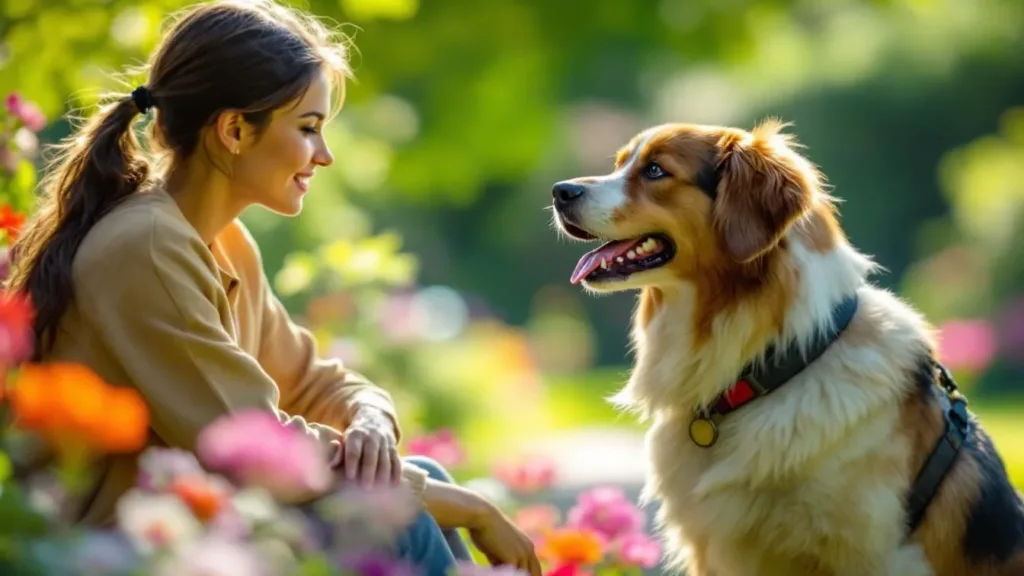
Every day in bustling streets or serene parks, people encounter dogs, sparking a small but intriguing social ritual: the often spontaneous act of greeting unfamiliar dogs. While to many it may seem like a harmless, fleeting interaction, psychologists delve deeper, revealing that these seemingly simple gestures can illuminate complex facets of human personality. Research suggests that those who wave or extend their hand towards an unknown dog often embody traits such as warmth, openness, and social curiosity. Such interactions are not solely driven by the love of animals; they reflect a broader tendency to engage with the world around us in a meaningful way.
This exploration of human-animal interaction provides surprising insights into how we connect with each other. For many, the decision to greet a dog—often without considering the owner’s presence—can signal underlying traits of impulsivity and a disregard for social boundaries. With studies highlighting this behaviour as a reflection of both vulnerability and the desire for connection, the act of greeting a dog transcends mere affection; it unveils underlying characteristics that shape the way individuals navigate relationships in broader contexts.
The Psychology Behind Greeting Unfamiliar Dogs
When a passerby spots a dog, their instinctive reaction can reveal much about their personality. Psychologists have identified a pattern in these interactions, suggesting that individuals who greet unfamiliar dogs tend to demonstrate higher levels of openness and a robust social approach orientation. This means they are more inclined to seek connections, even in ambiguous social situations. A wave or a simple nod to an unknown canine can signify a readiness to engage, offering a glimpse into the nature of that person’s social interactions.
Behavioural Cues and Personality Traits
Significant findings from recent studies show that people who actively initiate contact with dogs score higher on traits of agreeableness and extraversion. One pivotal study observed over 700 interactions in urban parks, uncovering that the gesture of greeting often aligned with individuals who had a predisposition to connect with others, whether they are humans or animals. Such interactive behaviours serve as practical exercises in social dynamics, allowing individuals to practice connection without the weight of expectation.
Safe and Mindful Dog Greetings
Psychologists recommend several strategies for approaching unfamiliar dogs that reflect both kindness and awareness. By treating the encounter as one would with a shy child, individuals can create a more positive experience. This involves maintaining a relaxed posture, using calm movements, and always asking the owner for permission. Such mindful practices not only enhance the likelihood of a warm reception from the dog but also foster an environment of respect and understanding.
The Social Impact of Simple Gestures
On a more profound level, these everyday actions challenge the perception of urban culture, where individuals often feel isolated despite physical closeness. Greeting a dog can serve as a brief disruption to the monotony of daily life, allowing both human and animal to share a moment of connection. This small yet powerful ritual has the potential to ripple outward, creating deeper social bonds within communities, reminding us of our shared humanity.