
Airports are a melting pot of human behavior, where the stress of travel can bring out the best and worst in passengers. Navigating this bustling environment requires more than just a ticket and a passport; it involves understanding an intricate web of unwritten rules that, if ignored, can spark arguments and escalate tensions. From queueing protocols to sharing space at the boarding gate, these unspoken expectations play a crucial role in ensuring a smoother travel experience. Some travellers may even argue about the importance of these etiquette norms, highlighting how they often are the difference between a peaceful wait and a heated confrontation.
Consider the act of queueing. Many frequent flyers know the importance of forming orderly lines, yet there are always those who feel entitled to push ahead, leading to frustration and confrontations. Similarly, the debate over seat reclination can ignite tempers, as the confined space of an aircraft becomes a battleground for personal comfort versus shared harmony. Understanding these dynamics can convert potentially explosive situations into seamless interactions, making the entire travel experience less stressful.
The Importance of Queueing Etiquette
Queueing is more than a mere formality at the airport; it’s an essential part of travel etiquette. The principle is straightforward: respect the order of arrival. When someone skips the line, the result is often a cascade of arguments. Frequent travelers suggest arriving prepared, with boarding passes and identification ready. This reduces wait times and minimizes the chances of inciting annoyance among fellow passengers.
Managing Space at the Boarding Gate
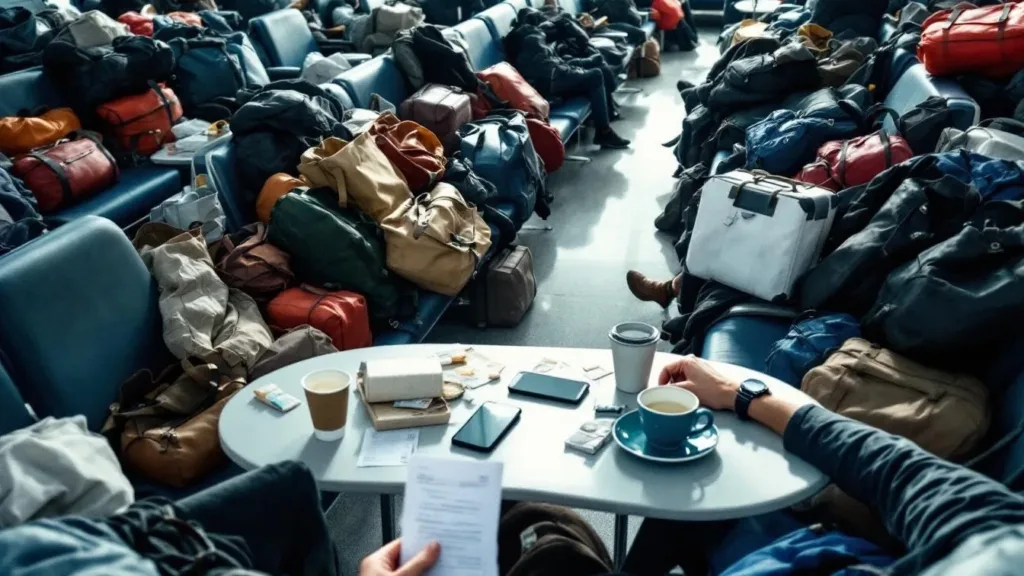
Space is a premium commodity within airport terminals, particularly around the boarding gate. It’s crucial for passengers to be mindful of their surroundings, especially when sitting or standing while waiting to board. Leaning against boarding area walls or occupying multiple seats can infringe on others’ comfort, leading to frustration. Adhering to a simple principle—sharing the space—can drastically reduce the potential for conflict.
Navigating the Security Process
The security screening process is often a point of contention. Having documents and items ready before reaching the conveyor belt helps keep the line moving. This efficiency aids in preventing arguments over impatience or misunderstandings. Additionally, ensuring that personal belongings are appropriately packed can alleviate stress not just for the individual but for everyone in line. Following these unwritten rules helps maintain harmony in this often chaotic environment.
Flight Delays and Passenger Behavior
Flight delays, while often unavoidable, can heighten tensions among passengers. The unpredictability of schedules means people may be more irritable due to the strain of disrupted plans. It’s essential to adapt to circumstances, remain calm, and avoid taking frustrations out on fellow travelers. Engaging positively with airline staff or fellow passengers can transform a negative experience into a community moment, reminding everyone that travel is a shared journey.
Understanding the Complexities of Personal Space
With close quarters on planes, personal space often becomes a contentious issue. Frequent flyers note the delicate balance required when reclining seats; a full recline can significantly reduce comfort for the person behind. By being mindful and selective about reclining, one can avoid unnecessary disagreement. This shared wisdom can help create a more amicable travel environment.
Conclusion: Embracing Travel Etiquette
Ultimately, understanding and respecting these unwritten rules at airports can significantly enhance the travel experience. When passengers recognise the importance of etiquette, arguments can be avoided, and tensions can be eased. By adopting a considerate approach, travellers not only facilitate smoother journeys but also contribute to an environment where everyone can navigate the challenges of air travel with a little more grace.