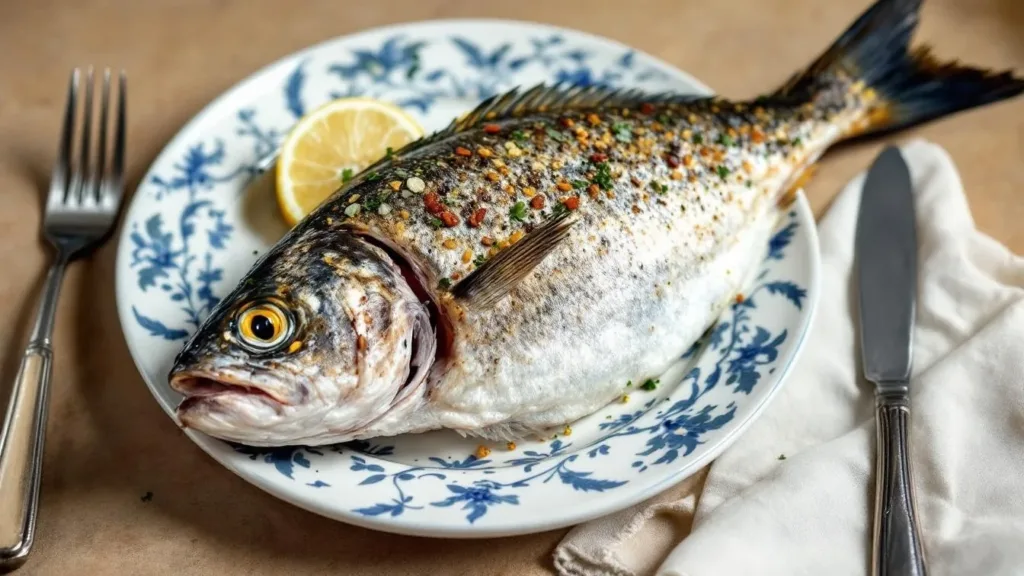
Once regarded as a mere catch for the poorest of families, a particular fish has quietly made its way into Brazil’s culinary spotlight. Today, this overlooked fish is being celebrated not only for its rich flavour but also for its affordability and nutritional benefits. As the nation grapples with the dual challenges of rising food prices and a shifting seafood landscape, this fish, known as carapau or horse mackerel, is transforming into a beloved choice across the country. From bustling local fish markets to sophisticated restaurants, it is increasingly featured in a variety of dishes, showcasing Brazil’s growing culinary innovation.
Statistics indicate a remarkable shift in the fish consumption patterns within Brazilian cuisine. Exports of farmed fish soared, reaching $8.73 million, an impressive 48% rise compared to the previous year. At the forefront of this surge are various species, including tilapia and tambaqui, but it’s the humble horse mackerel that’s gaining newfound prominence in everyday meals. This evolution reflects a broader trend toward sustainable fishing practices and the appreciation of local flavours, aligning with the national dietary shifts towards more sustainable food sources.
The Surge of Horse Mackerel in Brazilian Diet
As families look to stretch their budgets while ensuring their meals remain nutritious, the horse mackerel has positioned itself as a vital protein source. Its low cost and versatility have made it a fixture on dinner tables from the Amazon to the Atlantic coast. Notably, the fish offers a bounty of omega-3 fatty acids, highly valued for their health benefits. In a nation where seafood plays a central culinary role, the growing inclination towards this previously neglected species underscores a significant shift in eating habits.
Embracing Culinary Innovation with Carapau
The journey of horse mackerel from the margins to centre stage is not just about economics; it encapsulates a wave of culinary creativity. Chefs and home cooks alike are experimenting with this fish, introducing it into traditional dishes and crafting contemporary recipes that appeal to a wider audience. Varieties of preparations, ranging from grilled fillets to hearty stews, are popping up in both street food vendors’ offerings and fine dining establishments.
In the vibrant atmosphere of Brazilian local fish markets, customers are actively seeking this revitalised staple, often finding it featured in seasonal specials or marketed as an eco-friendly choice. The emphasis on sustainability resonates with a growing number of consumers concerned about overfishing and environmental impact, marking a significant cultural shift towards responsible eating.
A New Era in Fish Consumption Trends
As Brazil faces the realities of a changing climate and economic pressures, the resurgence of the horse mackerel is a testament to resilience and adaptability in the culinary sphere. The broad adoption of this once-disdained fish highlights a shift towards appreciating local, accessible ingredients while contributing to sustainable fishing practices. As more people engage with their local fish markets, they not only support their economy but also partake in a collective movement towards a healthier, more sustainable Brazilian diet.
Looking Forward: The Future of Brazilian Aquaculture
The outlook for Brazilian aquaculture continues to be promising, with the industry steadily evolving to embrace both innovation and sustainability. The impressive growth in fish farming, now seen as the fastest growing zootechnical activity, suggests that species such as carapau and tambaqui may bolster Brazil’s reputation as a key player in the global seafood market. With ongoing investments in aquaculture practices, the pathway appears clear for these native fish to secure a lasting place on the international stage.