
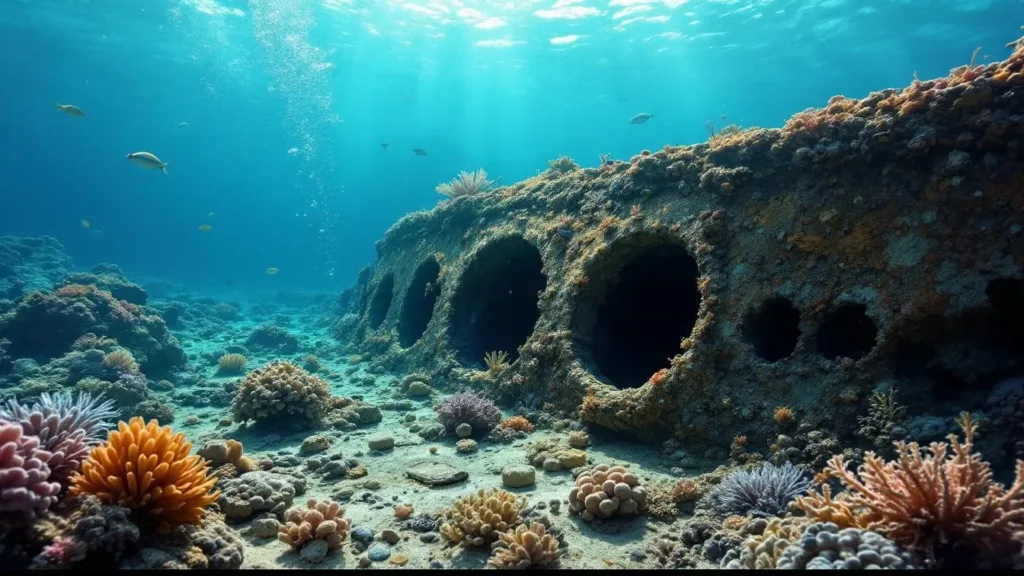
The exploration of our oceans offers a captivating glimpse into the past, revealing historical treasures that terrestrial excavations frequently overlook. Underwater archaeology, or the study of submerged sites and artifacts, uncovers the depth of human history that lies beneath the waves. This unique discipline employs advanced technology and methodologies, enabling researchers to access well-preserved artifacts that are often lost or deteriorated in terrestrial conditions. From ancient shipwrecks to submerged cities, the insights gained from these findings stimulate a deeper understanding of maritime cultures and trade networks that flourished thousands of years ago.
What makes underwater sites particularly valuable is their remarkable preservation potential. Unlike land-based archaeological digs, which face challenges from looting and natural erosion, submerged objects are frequently protected from environmental stresses. This allows archaeologists to recover items and analyze them in context, offering rich narratives about cultural exchanges and everyday life in ancient societies. The stories embedded in artifacts shed light on the complexities of human interaction, commerce, and cultural heritage that often remain obscured in more accessible archaeological sites.
Unveiling Historical Insights through Shipwrecks
Shipwrecks serve as intriguing time capsules, preserving the economic and social dynamics of the era in which they sank. One exceptional case is the discovery of the Uluburun shipwreck, dated to the 14th century BC and found off the coast of Turkey. This vessel was laden with copper and tin ingots, glassware, and jewelry, providing invaluable information about trade routes and connections among ancient cultures. Such sites illustrate not only the goods exchanged but also the communications that underpin these interactions, enriching our comprehension of ancient civilization.
Technological Advances in Maritime Excavation
The advent of modern technology has transformed underwater archaeology, enabling access to previously uncharted realms. Employing tools like sonar imaging, remotely operated vehicles (ROVs), and autonomous underwater vehicles (AUVs), researchers can now locate and document submerged sites with unprecedented accuracy. These innovations have significantly improved artifact recovery processes, capturing detailed images and data that feed into expanding databases of maritime history.
Preservation: A Key Distinction from Land Excavations
The preservation conditions found in deep-sea sites provide a clear advantage over traditional digs. With limited post-depositional disturbance, artifacts at depths exceeding 1,000 meters are shielded from natural erosion and human impact. Consider regions like the Black Sea, where anaerobic conditions protect organic materials like wooden ships and cargoes, allowing for in-depth cargo analysis that reveals historical trade patterns accurately.
Exploring Everyday Life through Cargo Analysis
The study of cargo not only highlights trade but also unravels social structures and cultural practices of ancient peoples. Whether it’s amphorae filled with oils or remnants of daily items, each discovery offers insights into societal hierarchies, economic strategies, and even the political landscapes of bygone eras. This rich dataset enables a more comprehensive narrative of human development, portraying a connected world long before globalization was a standard.
The Allure of Submerged Civilizations
Underwater archaeology enriches our understanding of human history by pulling from depths that land excavations cannot access. The allure of exploring sunken cities like Thonis-Heracleion, which vanished into the Mediterranean, showcases bustling ports and thriving trade networks, revealing nuances often obscured by time. The continuous advancements in this discipline promise to unlock further archaeological secrets, challenging existing narratives and showcasing the complexity of ancient life.